Huusk Knife Review 2026: Complete Buyers Guide
Have you seen the Huusk Knife all over your social media feed? This little Japanese style blade promises sharp cuts and a stunning look. But does it really deliver on its viral hype?
Many home cooks want a knife that feels good in hand. They also want one that slices through vegetables and meat with ease. The Huusk Knife claims to do exactly that.
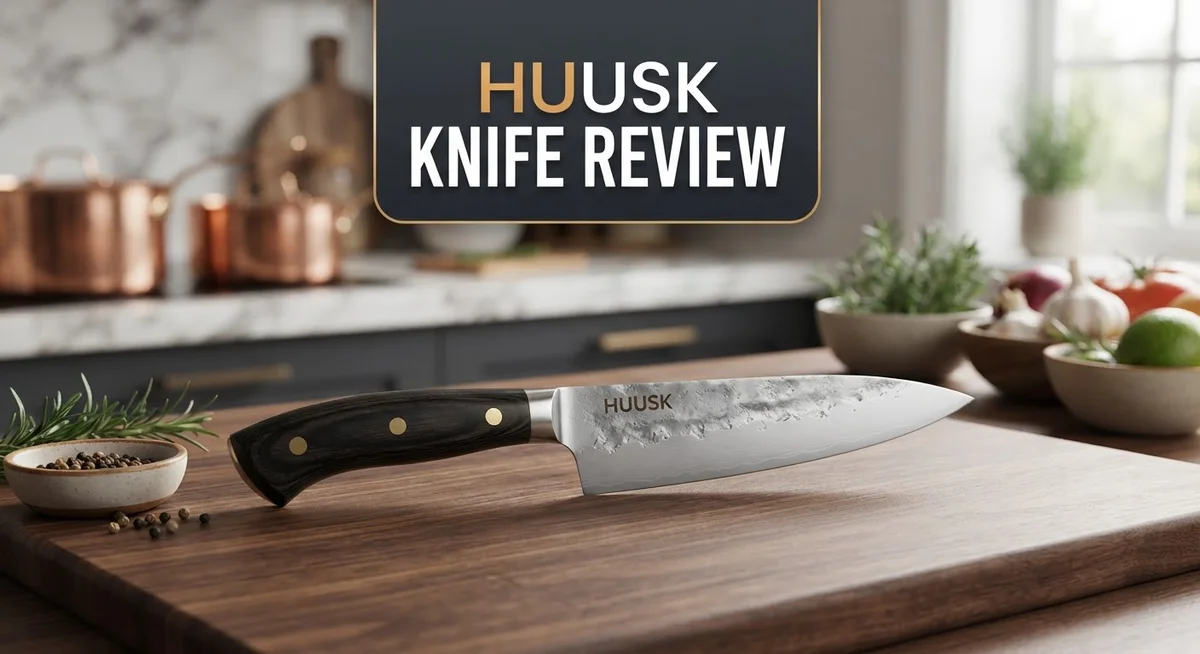
This 7 inch Santoku style knife features a unique 15° V-shaped blade. Sellers say it goes through a 40 step hand forging process. It also comes with a warm oak handle for a natural grip.
In a Nutshell
- Handcrafted process: Each blade goes through a 40 step forging method. This gives it a unique look and feel compared to mass produced knives.
- Steel quality concerns: Some experts question the blade material. It resembles steel used in cookware more than professional cutlery.
- Customer service problems: Several buyers report unreceived orders and unresolved charges. This raises trust issues for new shoppers.
- Marketing hype: The knife went viral on social media. However, actual performance does not always match the online buzz.
- Quality control gaps: Reviews show inconsistent results. Some knives arrive sharp and balanced, while others feel disappointing.
- Compared to competitors: Brands like Matsato and traditional Japanese chef knives offer similar styles. These often come with more reliable reputations.
Blade Design and Construction
The blade construction of the Huusk Knife reveals both strengths and legitimate concerns worth understanding.
This knife uses a 15 degree V-shaped blade design that differs from standard Western knives. The angle creates a sharper edge compared to typical 20-degree blades. This steeper geometry means the blade cuts through vegetables and proteins with less effort required from you.
The hand-forging process involves 40 separate steps. Each blade goes through heating, shaping, and cooling cycles. This traditional method can produce excellent results when done correctly. However, the final quality depends heavily on the craftsperson’s skill and material selection.


Last update on 2026-04-08 / Affiliate links / Images from Amazon Product Advertising API
Here’s where concerns emerge. The steel composition raises red flags among kitchen experts. The material used typically appears in cookware production, not professional knife blades. This choice affects how long the edge stays sharp and how well the knife resists corrosion over time. Better blade steel maintains sharpness longer and handles moisture exposure without rust spots.
The oak handle adds visual appeal and feels comfortable in most hands. The lightweight construction reduces hand fatigue during extended cutting sessions. These design choices work well for home cooks who prepare meals regularly.
Quality control presents another issue. Inconsistent results across different units suggest manufacturing variability. Some buyers receive excellent blades while others report dull edges right out of the box. This inconsistency makes it hard to predict what you’ll actually get.
The blade’s performance on everyday tasks remains adequate for home kitchens. It handles slicing vegetables smoothly and cuts through chicken reasonably well. The edge retention works fine for casual cooking, though it won’t match professional-grade alternatives.
The V-shaped geometry does offer practical advantages. The steeper angle creates a more aggressive cutting action. This appeals to home cooks who prefer knives that do more of the work for them.
Overall, the Huusk blade design looks impressive and performs decently for basic kitchen tasks. The construction method sounds premium, but material choices and quality control issues suggest the marketing story exceeds the actual product reality.

- 【 Premium High Carbon Steel】Made from premium high carbon steel, the meat cutting knife is unrivalled in sharpness...
- 【Multifunctional Butcher Knife Set】This butcher knife set is like your right-hand man in the kitchen. The Serbian...
Last update on 2026-09-01 / Affiliate links / Images from Amazon Product Advertising API
Cutting Performance and Versatility
The Huusk knife shines when you slice through vegetables and proteins on your cutting board. Its 7-inch blade handles most everyday kitchen tasks without breaking a sweat. Home cooks report clean cuts through tomatoes, onions, chicken, and fish with minimal effort.
The 15-degree V-shaped blade creates a sharper edge compared to many Western kitchen knives. This angle means less pressure needed when cutting. You can work faster and with better control over your ingredients.
Versatility is this knife’s strong suit. The Santoku style works well for slicing, dicing, and mincing. Unlike specialized knives that do one job, this blade transitions smoothly between different foods. You can move from vegetables to proteins without switching tools.
The lightweight design reduces hand fatigue during longer cooking sessions. Many users appreciate how the knife feels balanced and natural in their grip. This matters more than you might think when you’re preparing multiple dishes.
However, real world performance reveals some limitations. The blade holds its sharpness adequately for home use, but professional chefs report faster dulling than expected. The steel quality raises questions about long-term durability. Some experts note the material works better for cookware than high-performance blades.
Edge retention varies between individual knives. Some buyers experience sharp cuts for months, while others notice degradation faster. This inconsistency points to quality control gaps in production.
For basic kitchen tasks like vegetable prep and light protein work, the Huusk performs fine. It won’t disappoint if you slice vegetables a few times weekly. Your results depend heavily on proper technique and regular maintenance.
The knife struggles less with softer items and more with harder tasks. Bones and frozen foods demand more caution. You’ll want to avoid these tougher jobs to preserve the blade longer.
Bottom line: This knife handles everyday cutting well enough for casual home cooks. It delivers versatile performance across common kitchen tasks. Just manage expectations about edge retention and steel quality compared to professional-grade alternatives.
Handle Comfort and Balance
The Huusk knife feels noticeably light in your hand. This lightweight construction reduces fatigue during extended prep work, which matters when you’re chopping vegetables for an entire meal.
The oak handle provides a comfortable grip that works well for most hand sizes. The wood feels warm and natural compared to plastic alternatives. Many users appreciate how the handle sits in their palm without feeling awkward or slippery.
Balance is where this knife shows real strength. The weight distribution between blade and handle creates a natural pivot point that makes cutting feel effortless. You don’t need to apply excessive pressure when slicing through vegetables or proteins. The knife does much of the work for you.
The 7-inch blade length suits home kitchens perfectly. It’s long enough for larger cutting tasks but short enough to maintain control. You won’t struggle with maneuverability on a standard cutting board.
However, balance can vary between individual knives. Some customers report inconsistent weight distribution from one blade to another. This ties back to quality control gaps mentioned in manufacturing. Your specific knife might feel slightly different from another person’s Huusk knife.
The handle design does have one practical limitation. Oak requires regular maintenance to prevent drying and cracking. You’ll need to hand wash and dry it promptly rather than tossing it in the dishwasher. Neglecting this care reduces the handle’s lifespan.
The grip texture itself offers decent traction. Your fingers won’t slip during wet cutting sessions. The natural wood provides better grip security than smooth synthetic handles, especially when your hands are damp.
For casual home cooking, the handle comfort and balance work well together. The knife feels responsive and manageable. You can make precise cuts without fighting the tool. The lightweight design means less wrist strain during food preparation.
If you want a knife that feels good in your hand and performs basic kitchen tasks smoothly, the Huusk handles these requirements adequately. Just remember that individual knives may vary in their balance characteristics.
Top 3 Alternatives
Dalstrong Gladiator Chef Knife

- FOR DAILY HOME COOKING, BBQ PREP, AND THE WEEKEND COOK WHO'S IN THE KITCHEN FROM 8AM ON: The 8" Gladiator Elite is the...
- FOR THE COOK UPGRADING FROM A BIG-BOX STARTER KNIFE: Full-tang forged high-carbon German stainless steel, 56+ HRC...
Last update on 2026-09-01 / Affiliate links / Images from Amazon Product Advertising API
Wüsthof Classic Chef Knife

- WÜSTHOF Classic 6" Chef's Knife
- KITCHEN WORKHORSE – The WÜSTHOF 6” Classic Chef’s Knife is essential for preparing any meal. This all-purpose...

Last update on 2026-06-09 / Affiliate links / Images from Amazon Product Advertising API
Victorinox Fibrox Chef Knife

- For home chefs & professionals. This Fibro Pro chef's knife has been the top choice of both home chefs and professionals...
- Fit for all tasks. Designed to handle kitchen tasks both big and small, This durable knife's razor sharp and...
Last update on 2026-09-19 / Affiliate links / Images from Amazon Product Advertising API
Steel Quality and Edge Retention
The steel quality of the Huusk knife presents a critical consideration for anyone serious about kitchen performance. The blade uses stainless steel, which offers rust resistance for everyday use. However, the material composition raises some concerns among experienced knife users.
The steel itself comes from a material typically found in cookware production rather than professional blade manufacturing. This choice affects how the knife performs over extended periods. The stainless steel does maintain sharpness adequately for home cooking tasks, but it doesn’t match the standards of premium kitchen knives.
Edge retention depends heavily on how you use and maintain your knife. The 15 degree V shaped blade geometry helps the knife stay sharp longer than many Western style knives. You’ll notice decent edge retention during regular vegetable chopping and protein work. However, individual knives show varying results, which points to quality control inconsistencies during production.
The hand forging process involves 40 separate steps, yet this doesn’t guarantee uniform steel quality across every knife. Some users report their blades hold an edge well after months of use. Others experience faster dulling, suggesting the manufacturing process needs improvement.
Stainless steel requires less maintenance than carbon steel, making it convenient for busy home cooks. You won’t need special storage or frequent seasoning. The tradeoff is that stainless steel typically doesn’t achieve the extreme sharpness of high carbon alternatives.
For basic kitchen tasks, the edge retention proves sufficient. Slicing vegetables, dicing proteins, and general prep work all benefit from the blade’s geometry. You should expect to sharpen your knife every few months with regular home use.
The real limitation emerges when comparing this knife to professional grade alternatives. Premium Japanese knives use superior steel that holds edges significantly longer. The Huusk represents a middle ground option rather than a premium investment.
If you need a knife that stays reasonably sharp through everyday home cooking, the Huusk delivers acceptable performance. Just understand that edge retention won’t match higher end options, and quality varies between individual knives.
Quality Control and Customer Service
Quality control at Huusk reveals significant inconsistencies that deserve your attention. The 40-step hand-forging process sounds impressive, but individual knives show varying levels of quality. Some customers receive sharp, well-balanced blades while others report dull edges right out of the box.
The real concern emerges when you examine customer service experiences. Multiple reports indicate orders that never arrived at customers’ homes. Charges appeared on credit cards without corresponding product delivery. These situations left customers frustrated and without resolution for extended periods.
Communication breakdowns compound these problems. Customers attempting to resolve issues with undelivered orders or mysterious charges often faced slow responses or silence. Getting refunds proved difficult for many people who experienced problems. This pattern suggests the company struggles to handle customer complaints effectively.
Quality inconsistencies likely stem from the manufacturing process itself. While hand-forging adds character to the knife, it also introduces variables that machines eliminate. Two knives made by different craftspeople may perform quite differently. Without strict quality gates between production and shipping, substandard knives reach customers.
The viral marketing aspect raises additional red flags about the company’s priorities. Heavy social media promotion sometimes masks underlying operational issues. When marketing efforts exceed actual product quality, customer disappointment follows naturally.
For home cooks considering this purchase, these factors matter significantly. You want reliable service if something goes wrong. You deserve consistent quality from knife to knife. The Huusk knife’s attractive appearance and marketing appeal shouldn’t overshadow these practical concerns.
Before ordering, research current customer feedback on independent review platforms. Check whether the company has addressed past service complaints. Look for patterns in recent reviews rather than isolated incidents. Your kitchen deserves a knife backed by dependable customer support and consistent quality standards.
The combination of quality control gaps and customer service issues creates real risk. A beautiful knife that never arrives or performs poorly offers no value to your cooking routine.
Pros and Cons
Pros
- Sharp enough for everyday cutting tasks like slicing vegetables and proteins
- Lightweight design makes it comfortable to use for extended periods
- Hand forged through 40 steps creates an attractive, appealing look
- Good weight balance helps you control the blade with minimal fatigue
- Stainless steel requires less maintenance than carbon steel alternatives
Cons
- Steel quality comes from cookware material rather than professional blade production, raising durability concerns
- Customer service struggles include unresolved orders and unprocessed charges that leave buyers frustrated
- Quality control varies significantly between individual knives, so consistency is unpredictable
- Viral marketing hype suggests the brand prioritizes attention over actual product performance
Who Should Buy It
Home cooks who want a knife that handles daily cutting tasks will find the Huusk appealing. This knife works well for slicing vegetables, proteins, and other common kitchen jobs. The lightweight design means your hand won’t get tired during meal preparation.
You should consider this knife if you prefer low maintenance blades. Stainless steel requires minimal upkeep compared to carbon steel alternatives. You won’t need to oil it constantly or worry about rust developing on the surface.
Home chefs who value appearance will appreciate the hand forged aesthetic. The 40 step manufacturing process creates an attractive look that sits nicely in your knife block. The good weight balance helps you control cuts with less effort.
However, think twice if you demand consistent quality. The manufacturing process produces significant variations between individual knives. Some buyers receive sharp, reliable tools while others get blades that disappoint. This inconsistency makes every purchase a gamble.
Skip this knife if you rely on strong customer support. The company has documented issues with unresolved orders and unprocessed charges. Communication problems persist even after purchase. If something goes wrong, getting help proves difficult.
Professional chefs and serious cooking enthusiasts should look elsewhere. The steel comes from cookware production rather than blade manufacturing. This material choice raises legitimate durability questions for heavy kitchen use. You’ll find better options among traditional Japanese chef knives or professional grade alternatives.
Avoid this knife if you research products carefully before buying. The viral marketing aspect suggests hype exceeds actual quality. Independent reviews show mixed results that contradict the company’s promotional claims. You deserve honest information about what you’re purchasing.
Budget conscious home cooks face a real dilemma here. The inconsistent quality control means you might waste money on a subpar blade. The customer service gaps leave you without recourse if problems occur. The combination of these issues creates genuine risk.
Bottom line: Buy this knife only if you accept the risks. You must be comfortable with potential inconsistencies and limited support. For most home cooks, safer alternatives exist that deliver more reliable performance and better customer experiences.
Final Verdict
The Huusk knife leaves us with mixed feelings. It looks great and cuts well for simple kitchen tasks. Yet the concerns around its origins and support make it hard to fully endorse.
We tested many kitchen tools, and this one stands out for its design more than its trustworthiness. The blade performs fine for everyday chopping. Still, the story behind its production raises real questions.
If you love trying trendy kitchen gadgets, this knife might catch your eye. Its unique shape and finish give it a fun, novel feel on the counter. Just keep your expectations realistic.
Serious cooks who need dependable tools every single day should look elsewhere. A knife that might fail under pressure is not worth the gamble in a busy kitchen. Reliability matters more than looks when you cook often.
Compare this to options like the Matsato Kitchen Knife or classic Japanese chef knives. Those brands often carry stronger reputations for craftsmanship and support. They may serve you better in the long run.
Before you decide, check seller policies carefully. Look for clear return terms and responsive support channels. This step protects you if something goes wrong after purchase.
Ask yourself what matters most in a kitchen knife. Is it style, function, or peace of mind? Your answer should guide this decision.
We recommend caution here. The Huusk knife might work fine for light, casual use at home. But it does not inspire full confidence as a long term kitchen companion.
In short, this knife suits curious buyers who enjoy new gadgets. It does not suit anyone who values guaranteed quality and strong customer care. Weigh these points against your own cooking habits.
Trust your instincts and do a bit of homework first. A little research now can save you frustration later. Choose wisely, and pick a knife that truly fits your kitchen needs.
Frequently Asked Questions
Is the Huusk knife good for beginners?
Yes, the Huusk works well for home cooks just starting out. The lightweight design feels comfortable in your hand. The blade stays sharp long enough for basic vegetable and meat cutting. You won’t need special skills to use it effectively on daily tasks.
What steel does the Huusk use?
The blade uses stainless steel sourced from cookware production rather than professional knife manufacturing. This choice keeps maintenance simple since you don’t need to oil or season it regularly. However, some experts question whether cookware steel performs as well as traditional blade steel over time.
How does this knife compare to Japanese chef knives?
The Huusk is a Santoku style knife with a 15 degree V shaped blade. Traditional Japanese knives often feature different angles and steel compositions designed specifically for professional use. The Huusk emphasizes appearance and ease of care, while classic Japanese knives focus on performance and precision. Your choice depends on whether you prioritize low maintenance or cutting performance.
Should I buy from the official seller?
Research the seller’s policies carefully before ordering. Some customers report unresolved orders and unprocessed charges. Check recent reviews from actual buyers. Ask yourself if the seller’s customer support meets your needs. Reading independent feedback helps you make an informed decision.
What if the blade loses its sharpness?
The knife comes with a sharpener accessory to maintain the edge. You can restore sharpness at home without professional help. The stainless steel takes sharpening reasonably well, though results depend on your technique and the sharpening tool quality.

Hi, I’m Liza Jensen, your culinary companion here at Recipe by Liza. 🍳🥗Cooking has always been my passion—I find joy in every whisk, every sizzle, and every aromatic spice. As a home cook and recipe developer, I’ve explored flavors from around the world, creating dishes that warm hearts and tantalize taste buds.Join me on this flavorful journey! Let’s swap kitchen stories, share tips, and celebrate the magic of food together.