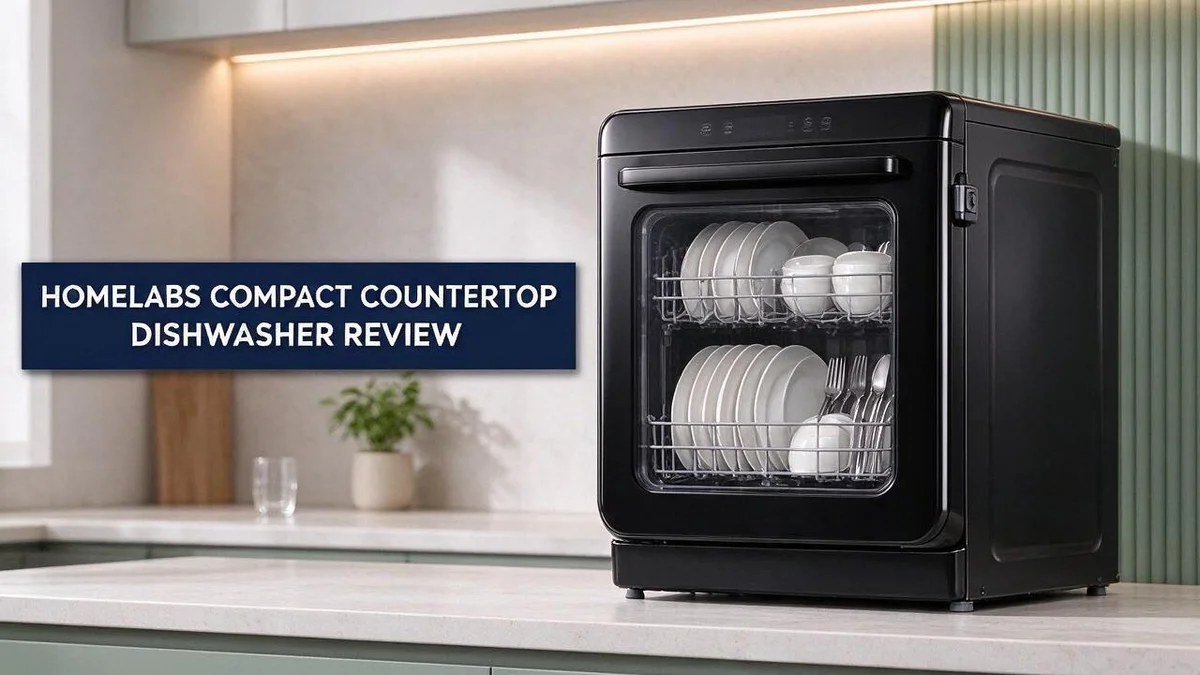
hOmeLabs Compact Countertop Dishwasher Review 2026
Tired of hand washing dirty plates after every meal? A compact countertop dishwasher might be the fix you need. The hOmeLabs model is built for small kitchens, apartments, dorms, and even boats or RVs.
It is Energy Star certified and holds six place settings. Its digital controls keep things simple, and it hooks up to your kitchen sink. Its small footprint fits where a full size unit never could.
Here is what you will learn in this review. We will look at the specs, the daily cycles, and the parts that users say need attention. Let’s dig in and see if this little machine earns a spot on your counter.
In a Nutshell
-
Size fits tight spaces. The unit measures 19.68 by 21.65 by 17.24 inches. The maker markets it for apartments, dorms, boats, and RVs. Small kitchens often lack room for a full dishwasher, so this frame fits well.
-
Up to seven cycles offer flexibility. You can pick heavy, normal, ECO, high temp, quick, glass, or rinse. A glass setting suits delicate items.
-
Simple controls keep things easy. Digital buttons make each wash simple to start. New users can learn them fast. Fewer steps mean less confusion.
-
Sink hookup is required. The unit connects directly to your kitchen sink. Rival models like the IAGREEA portable need no hookup at all.
-
Heat helps cleaning power. The HTH portable model reaches 167°F for high temperature washes. Hot water often lifts stuck-on food.
-
Buildup can appear over time. One user reported calcium buildup after about a year. Check your water and clean the unit often.
Capacity and Footprint

Last update on 2026-06-09 / Affiliate links / Images from Amazon Product Advertising API
Space is often the biggest question before you buy. This unit sits right on your counter, so you need to plan around it. Measure first and save yourself a return trip.
Start with the width of your counter. Leave room for the unit to slide in without bumping the backsplash. Also check where the hose will run under the sink.


Last update on 2026-04-08 / Affiliate links / Images from Amazon Product Advertising API
Think about the space above the unit too. Your cabinet doors need clearance. A tall shelf or upper cabinet can block the door when it drops open.
Door clearance matters most. Leave enough room to open the door fully. Many small kitchens have tight walkways, so check the path before you commit.
Think about loading space too. Compact means fewer dishes per run. A couple can run it daily, but a larger family may need two cycles for one meal.
Plate and pot size also matter. Large skillets or deep pans may not fit the racks. Lay your biggest dish on the counter beside the machine. This quick test shows what fits.
Small spaces gain the most. Dorms, boats, and RVs often have tight counters. A slim footprint frees room for coffee makers, cutting boards, or fruit bowls. That exchange helps many renters.
Write down your numbers before shopping. Note counter depth, cabinet height, and sink location. Compare these notes with the listing specs. A short checklist keeps the decision simple.
Also think about your daily habits. Do you cook for three or for five? Match the load size to your routine. You will avoid running half empty loads.
Good planning saves time and stress. A little math now prevents frustration later. Your kitchen will feel more open and calm.
Cleaning Performance and Cycles
Clean results depend on more than the cycle you pick. How you load the rack matters just as much. Place plates facing the center and keep bowls tilted down.
Spray arms need open space to turn. Crowded items can block water and leave food behind. Mix dish sizes so each item gets clean water.
Scrape large food scraps off before loading. A quick rinse handles most leftover residue. Heavy grease may need a stronger cycle.
Rinse aid also plays a big part in drying and shine. The manual names only one branded rinse aid for this unit. Using the recommended product keeps glasses clear and helps water slide off.
Matching each cycle to the load saves time. Glass cycles suit delicate items like stemware. Heavy cycles work better for pots, pans, and baked on messes. Normal settings fit everyday plates and cups.
Check labels before running high temp. Plastic containers can warp under intense heat. Keep wooden items out of the unit completely.
Large pots need the right spot. Place them along the side or back where the spray reaches. Small items can go in the top rack.
Starting with hot tap water can shorten heating time. Portable models offer a different setup. The IAGREEA model uses a 5 liter tank and needs no hookup. That option suits renters who cannot connect to a faucet. The tank size limits how many loads you run before refilling.
Test the dishwasher during your first week. Run a normal load with typical dishes. Check glasses, pans, and utensils for spots or residue. Then adjust your loading or rinse aid as needed.
Small changes often fix most problems. Keep notes on which cycle works best for each type of load.
Installation and Water Connection
Installation goes smoother when you plan each step first. Gather your tools and read the manual before you move the unit into place.
Start by checking your faucet. Many countertop models need a connection that fits your faucet style. Take a photo of your faucet base so you can compare it with the included parts.
Next, look at the water supply under the sink. Find the shutoff valve and make sure it opens and closes freely. A stiff valve can cause trouble during setup.
Drainage matters just as much. The drain hose must reach the sink without sharp bends. A kinked hose can block water flow and leave dishes wet. Keep the hose route high and direct.
Power is another key step. Place the unit near an outlet you can reach easily. Avoid long extension cords, because a stretched or pinched cord can cause problems.
Level the unit on the counter before you connect anything. An uneven base can make the door sit wrong and cause the racks to shift. Use a small level tool to check both sides.
Some shoppers prefer a model that needs no hookup at all. The IAGREEA portable option uses a tank and can connect to a faucet. This choice works well if your sink setup limits your options.
Run a leak check after setup. Wipe the area under the sink dry first. Then start a short cycle and watch for drips. Keep a towel nearby during the first run so you can catch small leaks fast.
Careful planning now prevents headaches later. A little time spent on connections keeps your new dishwasher running well for years.
Top 3 Alternatives
Black+Decker Countertop Dishwasher

- 7 SUPERIOR WASH CYCLES: With this incredible BLACK+DECKER portable dishwasher, you find the right wash cycle that works...
- LED DISPLAY: Set your wash cycle and time with ease thanks to this intuitive dish washer LED display. Thanks to its...

Last update on 2026-11-02 / Affiliate links / Images from Amazon Product Advertising API
This model fits well in small kitchens and apartments. It sits on your counter, so you do not need a full-size install.
Its simple controls make it easy to use. You can start a wash cycle in just a few steps. It works well for daily meals for one or two people.
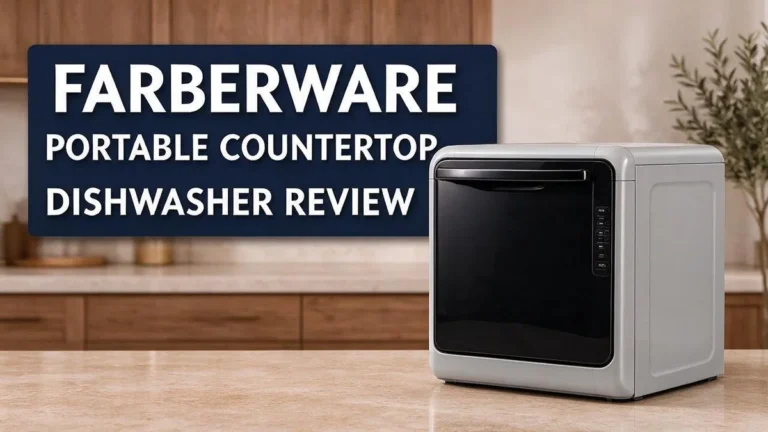
Farberware Countertop Dishwasher
Last update on 2026-06-09 / Affiliate links / Images from Amazon Product Advertising API
This option gives you a practical way to clean dishes without a sink full of suds. It holds a useful set of plates, bowls, and utensils for everyday use.
Many home cooks like its clear layout. The racks help you arrange items so water reaches each surface. Loading takes less time than hand washing after a big dinner.
Midea Countertop Dishwasher

- A perfect size (H17.25″×W22″×D20″)- Holds up to 6 Place Settings perfect for 2-3 people. The Midea compact...
- Simple Installation- Can be connected directly to a faucet (a suitable adaptor is needed) and placed on a countertop or...
Last update on 2026-11-02 / Affiliate links / Images from Amazon Product Advertising API
This model offers a compact design for people who want a clean kitchen with less work. It takes up little room, so it suits a tight corner or a small counter.
Its wash cycles cover a range of dish types. You can choose a setting that matches your load. It helps you save time on busy weeknights.
Energy Efficiency and Running Costs
The hOmeLabs unit carries an Energy Star certified label. This means it meets strict efficiency guidelines set by a government program. Certified models often use less electricity and water than standard units.
The ECO cycle works at a gentler pace. Slower washes usually need less energy. Pick this setting when you have time and no urgent need to clean.
Run the unit only when it is full. A half empty load uses nearly the same power as a full one. Wait until the racks hold enough plates, cups, and utensils.
Many cycles include a heated drying step. Check your manual to see if you can skip it. Air drying takes longer but uses no extra electricity.
Hand washing often uses more water than people expect. Running the unit once can clean a full day of dishes. This makes it a smart choice for small households.
Track your habits for one week. Write down how often you run the unit. Note how full each load is. This simple log shows where you can save energy.
Fewer runs also reduce wear on key parts. Less frequent cycles mean less stress on the pump and heating element. Your unit may last longer as a result.
Keep the door seal clean too. A dirty seal can let steam and heat escape. Wipe it after each run with a damp cloth.
Many dishwashers have a filter that needs regular care. A clean filter helps water flow well and keeps the wash running smoothly. Check it every few weeks.
Finally, read the manual for energy tips. Your model may include specific advice. Following these steps keeps your kitchen running efficiently.
Small changes add up over time. Energy Star certification gives you a strong start. Your daily habits still make the biggest difference.
Maintenance and Rinse Aid Needs
Good maintenance keeps this compact unit working well for years. Small habits prevent most problems. Start with the manual, because it names the rinse aid the maker expects you to use.
Using a different product can leave a film on glasses and metal parts. Read the manual before you buy any rinse aid. This step saves you from guesswork.
Calcium buildup is the main concern to watch. One user of a countertop model reported white deposits after about a year of use. This suggests that minerals can build up slowly over time.
Hard water makes this problem worse. Minerals in tap water stick to interior walls and spray arms. Check your local water hardness so you know how often to inspect the inside.
Wipe the interior once a month. Use a soft cloth and a mild vinegar solution. Look at the spray arm holes for food particles, and clear them with a soft brush when needed.
Avoid harsh abrasives and bleach-based cleaners. They can scratch plastic parts or damage the door seal. Stick with gentle products that the manual allows.
Check the rinse aid level every week. Refill it before it runs low. An empty dispenser often leads to streaks and spots on dishes, so a quick glance helps.
Keep a simple maintenance log. Write down the date you cleaned the interior and refilled the rinse aid. A written record helps you spot patterns early and plan your next cleaning.
If white residue will not wipe away, stop using the unit for a short time. Contact customer support and describe the marks. They can confirm whether the problem needs a repair or a change in your routine.
Pros and Cons
Pros
- Compact size fits small kitchens and tight spaces
- Designed for apartments, dorms, boats, and RVs
- Six place setting capacity suits singles and couples
- Six to seven cycles cover heavy, quick, glass, and rinse loads
- Simple digital controls keep daily use easy
Cons
- Six place settings may feel small for larger families
- Few independent reviews make long term results hard to judge
- A countertop unit takes up valuable counter space
- Rivals like HTH advertise a 167 degree high temperature wash
Who Should Buy It
This countertop dishwasher suits a specific kind of home. It fits people who want clean dishes without a full size installation.
Solo cooks and couples often get the most from this unit. A six place setting holds enough plates for a few meals at a time.
Renters are another strong match. Many leases do not allow built-in appliances, so a countertop model makes sense.
Students in shared housing also benefit. The small footprint fits neatly into a dorm room or studio kitchen.
People who move often can take this unit along. It sets up quickly and connects to a standard kitchen sink.
Check your sink setup first. The unit hooks up to the sink, so faucet access matters before you buy.
Who should skip it? Cooks who use large pots and pans every day may find the racks too tight. Those items need more room than this model offers.
If you have no sink nearby, a portable model may suit you better. The IAGREEA portable uses a 5L tank and needs no hookup, so it works almost anywhere.
Need a hotter wash for sanitizing? The HTH portable advertises a 167 degree high temperature cycle. That feature could appeal to households with young children.
Busy people who dislike hand washing often notice the biggest change. Less time at the sink means more time for family, work, or rest.
Measure the spot first. The unit measures about 19.68 by 21.65 by 17.24 inches, so confirm that your counter has room for it.
Test your habits before you decide. Count how many dishes you wash in a typical day. If the number fits six place settings, this unit may be a good match.
Bottom line: This unit works best for small households with simple needs. Match it to your daily routine, and it can serve you well for years.
Final Verdict
The hOmeLabs Compact Countertop Dishwasher works well for the right kitchen. It earns credit for its Energy Star certification and easy controls.
Still, it is not a perfect fit for everyone. The best results depend on your sink setup, your cooking habits, and how much you value a hotter wash.
Think about your daily routine first. If you cook a few simple meals and wash dishes after each one, this unit can cut your time at the sink. Fewer hands in hot water means more free time each evening.
Many buyers ask whether a small machine can handle real work. The answer depends on the load. Light daily dishes fit well, while big weekend cooking sessions may need a second round.
Build a simple loading routine. Scrape large food off plates before loading them. This quick habit keeps spray arms clear and helps every cycle run smoothly.
Competitors offer different strengths. The IAGREEA portable model skips the hookup and uses its own tank. The HTH unit gives a hotter sanitizing wash. Compare these options before you decide.
Final thoughts favor this unit for small households. Solo cooks and couples who want less hand washing will likely feel satisfied. Those with heavy cookware or high sanitizing needs should look elsewhere.
Research gaps remain. Few independent reviews exist, so long run results stay hard to judge. Treat early impressions as a starting point, not a final guarantee.
A short trial period can reveal a lot. Run a full week of normal meals and note how clean the dishes feel. Your notes will guide a confident choice.
Set your expectations before you buy. Think about how many dishes you wash each day. Match the unit to your actual habits instead of an idealized routine.
Bottom line: this countertop dishwasher suits compact living, but it does not replace a full size machine for big households.
Frequently Asked Questions
Does this unit need a special rinse aid?
Yes, the manual names a branded rinse aid only. Check the manual before you buy a different brand. Keep a spare bottle nearby so you never run out in the middle of a load.
How can I reduce calcium buildup?
One user reported calcium buildup after about a year of use. Wipe the door seals and check the interior each week. Use the correct rinse aid, and clean the interior on a regular schedule. If your tap water runs hard, a water softener or a descaling product can help protect the machine.
Which portable option works without a sink hookup?
The IAGREEA portable has a 5 liter tank and needs no hookup. It can also connect to a faucet if you prefer. This option suits renters, boat owners, and anyone who wants flexibility. Choose it when you need a machine that moves with you.
What should I measure before buying?
Measure your counter depth, height, and the space under your cabinets. Leave room for the door to open fully. Check that an outlet and a water connection sit close by. Taking these measurements first prevents returns and saves time.

Hi, I’m Liza Jensen, your culinary companion here at Recipe by Liza. 🍳🥗Cooking has always been my passion—I find joy in every whisk, every sizzle, and every aromatic spice. As a home cook and recipe developer, I’ve explored flavors from around the world, creating dishes that warm hearts and tantalize taste buds.Join me on this flavorful journey! Let’s swap kitchen stories, share tips, and celebrate the magic of food together.