EUHOMY Countertop Dishwasher Review 2026: The Ultimate Guide
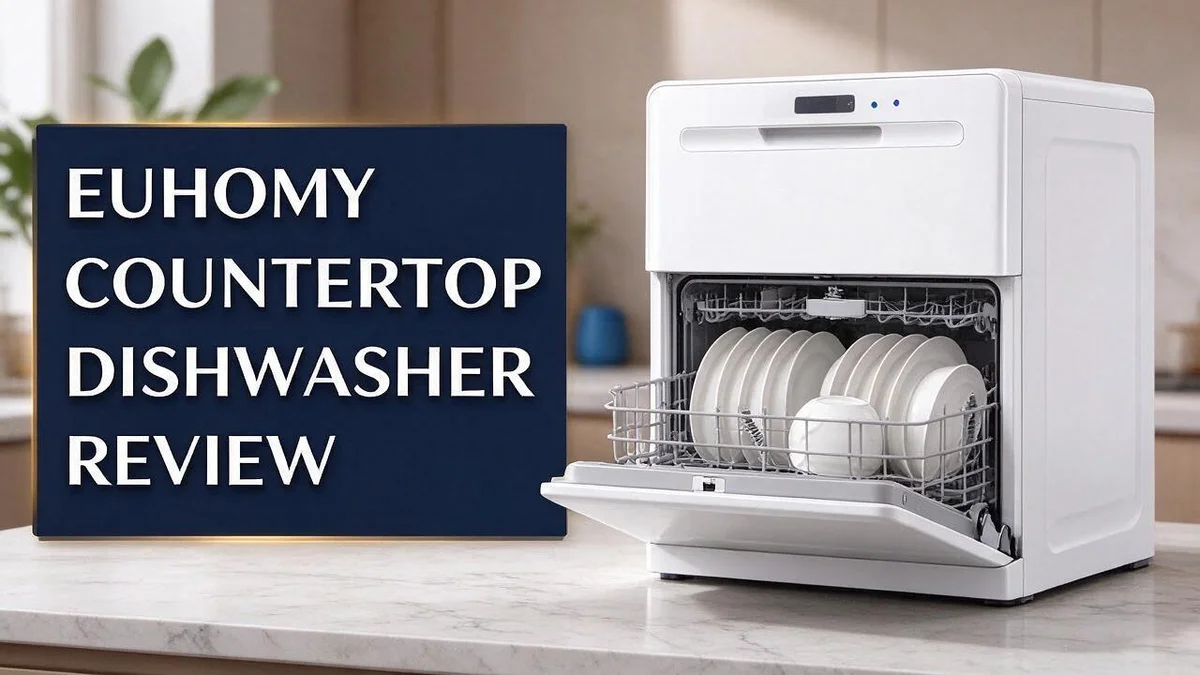
The EUHOMY countertop dishwasher is built for small spaces. It is portable and needs no hookup or tools. That makes it a smart choice for apartments, dorms, and RVs.
The DW001-5WH-USZX model offers six wash programs. An 8-program version with a 5L tank also exists. The brand says it cleans more than 30 items per load. One listing cites a noise level of 40 dB, so the machine may stay fairly quiet.
The outer body uses tough, lightweight plastic. KitchVS calls it the best compromise in its group. So, is it the right fit for your kitchen? Let’s look at what you can expect.
In a Nutshell
- Quiet enough for shared spaces: One listing cites 40 dB, so the unit may run without disturbing people nearby. This helps renters and roommates who share thin walls.
- Built for tight spaces: Small kitchens, RVs, and dorm rooms all suit this compact design. KitchVS calls it the best compromise in its group.
- Easy to place: The unit needs no plumbing hookup or tools. You can set it on a counter and start washing right away.
- Energy claims need proof: The brand calls the design efficient, but the research shows no certification. Shoppers who care about energy use should look for official ratings first.
- Points to verify: Reviewers often raise questions about capacity, detergent compatibility, drying results, and setup. Check these details against your daily dish load before you buy.
- Strong rivals to compare: COMFEE and SPT SD-9263W both carry Energy Star ratings. The SPT model offers an 18 inch size, which may suit larger households.
Build and Portability

Last update on 2026-06-09 / Affiliate links / Images from Amazon Product Advertising API
Portability changes how you plan your kitchen. Because the unit sits on the counter, you choose where it lives each day. This freedom suits people who move often or share a small space.
Measure your counter before you commit. A portable dishwasher still needs room to open its door fully. Leave a clear gap on each side. Check the height under your upper cabinets too.


Last update on 2026-04-08 / Affiliate links / Images from Amazon Product Advertising API
Plan your water routine. The 8-program version carries a 5L tank. You will likely fill it by hand.
Keep a pitcher or kettle nearby. Each refill feels much simpler that way.
Keep the airflow open. Dishwashers release warm, damp air during each cycle. Keep curtains and paper towels away from the vents.
Consider a safe storage spot. Some people tuck the unit into a closet when guests visit. Choose a dry, level shelf so it stays steady.
Check the exact weight first. The research does not list a weight for the unit. Look for the spec sheet on the product listing. You want to know if one adult can lift it without strain.
Map the path from sink to counter. Walk the route you will take with a full tank. A short, clear path makes each load feel less like a chore.
Clear away rugs or cords that could trip you.
Match the size to your daily habits. Portable units fit people who run smaller loads. Think about a few plates after breakfast or lunch. Larger households may want to plan their loads before they decide.
Small moves make a big difference. Test the placement for a day before you settle in. Adjust the spot until the routine feels natural.
Capacity and Wash Programs
The brand claims the unit can clean 30 or more items in one run. That number sounds generous. Think of it as a best case result, not a daily promise.
Real capacity depends on how you load. Large pans and tall stock pots take up space fast. Mix bowls, cups, and cutlery to fill gaps better.
Plan your loads by meal, not by item count. A breakfast load of mugs and a bowl differs from a dinner load of pots. Group similar dirt levels together for steadier results.
Choose the right program for each load. Light rinses and heavy pans need different settings. Start with a lighter option for glasses and everyday plates.
Pots and pans often need a heavier cycle. Baked on grease rarely lifts on a quick run. Check the results after the first load, then adjust your choice next time.
Scrape plates instead of soaking them. Scrape plates well, then skip the full rinse. Quick scraping saves time and stops food from drying on the surface.
Know your cutlery limits. Long knives and wooden handles may need hand washing. Load sharp items point down and keep them away from soft glasses.
Count your daily dish total. Add up plates, cups, and utensils for one full day. This number shows whether one load fits your routine or two loads work better.
Run the unit in the evening. Load it after dinner and start a cycle before bed. You wake up to clean dishes ready for breakfast.
Unload in the right order. Let the cycle finish before you open the door. Unload the bottom rack first so drips do not land on clean plates.
Check the results before you scale up. Look for spots, film, or food left behind. Adjust your loading or program based on what you see.
Keep a simple load log. Write down the program, load size, and result for each run. After a week, you will know your best setup.
Noise Level and Quietness
Noise matters more than many buyers expect. A kitchen appliance runs for an hour or more each day. Sound can travel into a bedroom or living room very fast.
One listing gives a figure of 40 dB for this model. That number is close to a quiet library or a soft whisper. Still, a listing shows a number, not a result from your home.
Sound from a dishwasher comes from more than the motor. Water spray, the pump, and clinking dishes all add to the total. Loose forks and metal lids often rattle the most.
Your counter and floor change the sound too. Hard surfaces like stone or tile bounce noise back into the room.
A folded towel or a rubber mat under the unit may soften vibrations. Test this idea before you rely on it.
Pick the right time to run it. Many people start a cycle after dinner when the house is quiet. Others prefer a morning run while they get ready. Running it when rooms sit empty lowers the impact on family members.
Think about where you sit during the run. A dishwasher on the far side of a studio apartment may still reach your bed.
Open plan spaces carry sound from one corner to another. Plan your seating and sleeping spots around the unit.
Test the noise in your own space. Run a short cycle with the door closed and listen from each room. Note whether the sound fades or stays sharp. This quick check gives you better information than any listing.
Door opening also brings sound. Pulling the door down at the end of a cycle can release a thump. Lower the door gently and let steam settle before you unload. Quiet habits often matter as much as the machine itself.
Noise also affects your daily mood. A calm kitchen makes cleanup feel less like a chore. If the unit hums all evening, you may want to change your routine rather than your expectations.
Top 3 Alternatives
Midea Countertop Dishwasher

- A perfect size (H17.25″×W22″×D20″)- Holds up to 6 Place Settings perfect for 2-3 people. The Midea compact...
- Simple Installation- Can be connected directly to a faucet (a suitable adaptor is needed) and placed on a countertop or...

Last update on 2026-11-02 / Affiliate links / Images from Amazon Product Advertising API
The Midea model suits small kitchens and tight counter space. It sits on the counter and needs no permanent plumbing. Most households can set it up with a simple hose connection to the faucet.
Its compact body fits almost anywhere. You can wash plates, bowls, and utensils for a few people in one cycle. Many users also like how quiet it runs during evening use.
SPT Countertop Dishwasher

- Accommodates up to 6 standard place settings and dishware up to 10.25 inches in diameter
- With a height of only 17.24″
Last update on 2026-11-02 / Affiliate links / Images from Amazon Product Advertising API
The SPT option offers a clean, modern look. It works well for couples, students, or anyone who wants less hand washing. The control panel is easy to read, so new users learn it fast.
Setup stays simple. Owners can use the built-in filter and drain system with little effort. Keep the spray arms clear of food debris for the best results.
Ivation Portable Dishwasher

- PORTABLE SPRAY WASHER FOR CAR, PATIO & OUTDOOR CLEANING - Delivers a steady stream up to 130.5 PSI from a 4.5-gallon...
- RUNS ON RECHARGEABLE BATTERY, HOME PLUG OR 12V CAR PLUG - 60-watt diaphragm pump powers a continuous-trigger nozzle for...
Last update on 2026-11-02 / Affiliate links / Images from Amazon Product Advertising API
The Ivation model stands out for its portable design. You can roll it to another room or take it along during a move. It connects to a standard faucet and drains into the sink.
Portability is the main advantage here. Renters often choose this type because it needs no installation work. Check the water connection before each use to avoid leaks.
Setup and Daily Use
Setup should feel quick and easy. This unit needs no plumbing hookup or tools, so you can start in minutes.
Start by unboxing everything and checking for loose parts. Keep the packaging until your first week of use is done.
Next, place the unit on a flat, level surface. An uneven counter can make the racks shift and the door sit crooked.
Plug the unit straight into a wall outlet. Skip extension cords, since they can overheat under a high power load.
Run a test cycle before you load real dishes. Use plain water and an empty rack for the first run. This shows whether the door latches and the water flow sounds normal.
Read the manual before choosing detergent. Reviewers raise questions about detergent compatibility, so stick with products the maker approves.
Use only the amount the manual suggests. Extra soap can leave suds and a cloudy film on glasses.
Check the spray arms before each run. Food bits can block the small holes and weaken water coverage.
If your model has a filter, rinse it under warm water once a week. This clears trapped bits that could cause odors.
Wipe the door seal with a damp cloth after each cycle. Grease and moisture can build up in the gasket over time.
Wipe the outer plastic body with a soft cloth. Mild soap and water work well, and harsh cleaners can dull the finish.
Watch for leaks during the first few weeks. Check the counter and floor under the unit after each run.
If you see water, stop using the unit. Then review the manual or contact support before you run it again.
Build a simple daily routine. Load dishes soon after meals so food does not dry on plates.
Empty the unit as soon as the cycle ends. Putting dishes away quickly keeps your counter clear and ready for the next meal.
Small habits make the unit easier to live with. A quick check after each run keeps daily use calm and simple.
Pros and Cons
Pros
– Light and easy to move from room to room.
– A tough plastic outer body handles everyday bumps.
– It suits apartments, RVs, and dorm rooms.
– Buyers can pick between six or eight wash programs.
– KitchVS calls it the best compromise in its group.
Cons
– Capacity may feel small for large families.
– Drying results remain unclear without firm test data.
– The listing does not cite any energy certification.
– Rivals like COMFEE and SPT carry Energy Star ratings.
Who Should Buy It
Singles and couples often make the best match for this unit. They usually wash a few plates, bowls, and utensils each day. A small machine clears the sink without a full rack waiting every night.
Renters also gain a lot here. A countertop model needs no permanent install, so it can move with you when you relocate. That freedom suits people who do not want to change their kitchen.
Frequent hosts should look more closely. A weekend dinner party can pile up plates fast. If you cook for guests often, you may need to run the unit twice in one evening.
Busy parents may find it helpful for quick cleanups after school. Still, plan for extra loads on heavy days.
Shoppers who compare brands should line up the specs side by side. Look at the Energy Star rivals, the size, and the noise figures before you decide. Shoppers focused on energy use may hesitate, since the listing does not cite an energy label. If a certified rating matters to you or your utility, check rival models first.
Hard water deserves a quick check too. Ask your local utility about mineral levels before you buy. Mineral buildup can wear down spray arms and dull glassware over time.
Cooks who use many pans should be careful. Large cookware rarely fits inside compact units. Hand wash those items and load the smaller dishes here.
Measure the door swing before you buy. A door that cannot open fully makes loading hard. New cooks often enjoy the simple layout, and they can build good loading habits early.
Think about your daily routine first. Ask how many dishes you wash each day. Ask whether a quiet kitchen matters at night. Read customer comments too, but treat them as opinions, not proof. Your answers will show whether this model fits your home.
Final Verdict
The EUHOMY countertop dishwasher suits small kitchens with light daily needs. It works best for people who want a simple machine with no installation work.
It handles a few plates, bowls, and cups without much fuss. Big pots and heavy pans still need hand washing or a bigger machine.
Think of it as a helper, not a full replacement. Its compact footprint fits tight counters in studios and small homes. That size keeps it practical, but it also limits how much fits in each run.
The choice between the six program and eight program versions comes down to habit. Basic users may find six programs enough.
Frequent cooks may prefer eight programs and the 5L tank for more flexibility. Try the simplest cycle first, then move up only if you need more control.
Compare it side by side with rivals before you commit. COMFEE and SPT bring Energy Star ratings to the table. BLACK+ appears in research, but no details are available, so check its specs yourself before deciding.
Ask the seller about warranty terms first. Warranty details are not clear from the listing, so read the fine print. Good sellers answer these questions quickly and clearly.
Think about how often the machine will run. Daily use adds up fast, so a compact unit may need breaks between loads. Plan your loads around the machine’s capacity to avoid a second run every night.
Use a short checklist before you buy. Ask yourself three questions. Do you have counter space near an outlet? Do you run only a few loads each day? Can you accept limited test data on drying and capacity?
If you answer yes to most questions, this unit deserves a spot on your shortlist. If not, a larger model or hand washing may serve you better. Choose based on your routine, not hype.
Frequently Asked Questions
Is it quiet enough to run at night?
One listing cites about 40 dB. Test it during the day before you run it late, so you know how it sounds in your home.
How do I fill the tank without a water line?
The unit needs no hookup, so you fill the tank by hand. The 5L version holds more water per run, which means fewer refills for larger loads.
Which dishes should I hand wash?
Plastic and sturdy dishes work well in the machine. Fragile glasses can tip during a cycle, so hand wash delicate pieces to avoid breakage.
Can I use regular dish soap?
Reviewers list detergent compatibility as a concern, but the research gives no details. Use dishwasher detergent only. Regular dish soap can create too many suds and may cause problems.
How often should I run a cycle?
Run it when the tank is full of dirty dishes instead of waiting for a big pile. A small load each day keeps the counter clear and the machine easier to manage.

Hi, I’m Liza Jensen, your culinary companion here at Recipe by Liza. 🍳🥗Cooking has always been my passion—I find joy in every whisk, every sizzle, and every aromatic spice. As a home cook and recipe developer, I’ve explored flavors from around the world, creating dishes that warm hearts and tantalize taste buds.Join me on this flavorful journey! Let’s swap kitchen stories, share tips, and celebrate the magic of food together.